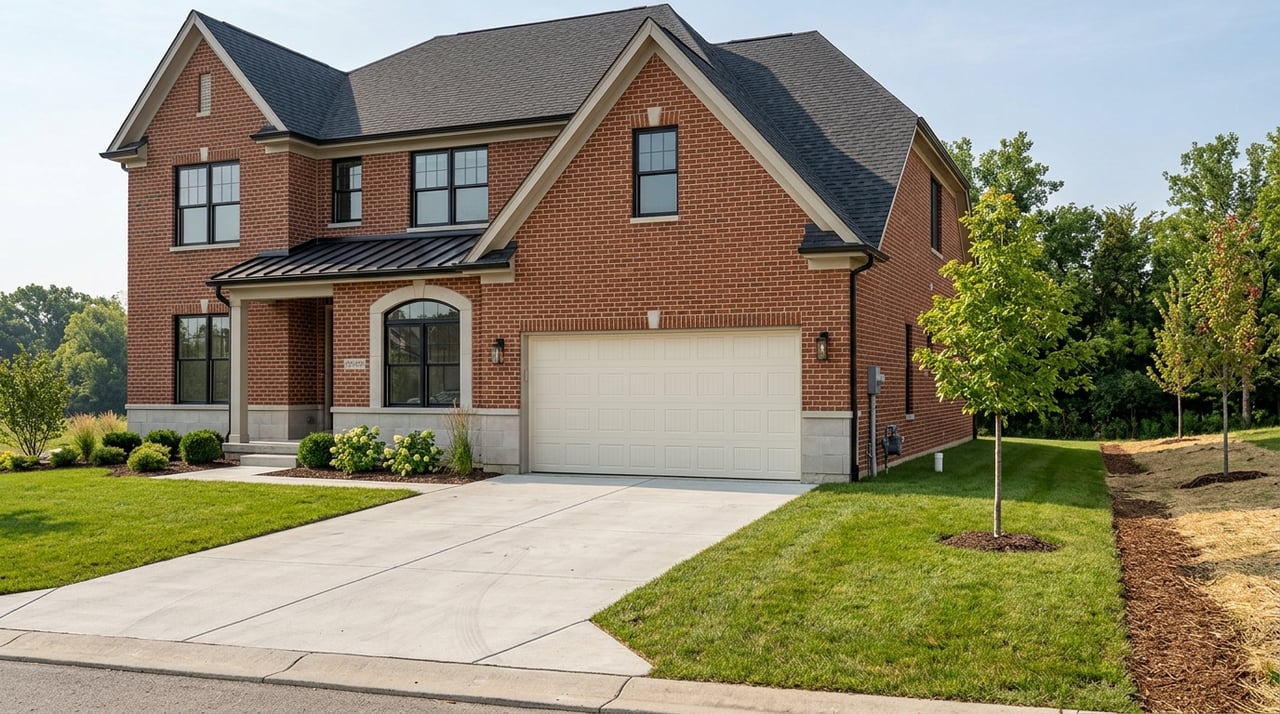
Buying New Construction Or Land In Lenoir City
July 9, 2026
July 9, 2026
Thinking about buying new construction or land in Lenoir City? It can be an exciting path, but it also comes with more moving parts than many buyers expect. From city-versus-county rules to utilities, permits, drainage, and timelines, a lot depends on the specific parcel or builder you choose. This guide will help you understand what to check before you commit so you can move forward with more clarity and less stress. Let’s dive in.
When you buy land or a newly built home in the Lenoir City area, one of the first things to confirm is which jurisdiction the property falls under. Lenoir City handles its own building inspection, planning, and zoning, while Loudon County separately manages planning, zoning, development, and building codes for unincorporated areas.
That matters because permits, inspections, setbacks, and plat review can vary depending on whether the property is inside city limits or in unincorporated Loudon County. Before you focus on house plans or finishes, make sure you know which rules apply to the lot.
Not all new construction works the same way. In the Lenoir City market, you may come across custom builds, semi-custom homes, and spec homes.
A custom home usually gives you the most control, but it often takes the longest. Research cited in the report shows the design phase alone often lasts three to six months, and construction commonly takes at least 12 to 16 months.
A semi-custom home may offer a shorter path by limiting some design choices while still allowing personalization. A spec home is often already underway or complete, which can reduce your timeline if you want a newer home without waiting through every construction stage.
If you are buying new construction, it helps to understand the approval process behind the scenes. The City of Lenoir City requires a building permit before new construction, additions, demolition, or a change of use.
In Loudon County, minimum construction inspections include footings, slabs, framing, plumbing, mechanical, energy, and final inspections. Electrical inspections are handled through the utility provider rather than the county itself.
If you are considering building on your own lot, there is another important local detail. Lenoir City states that a buyer can act as their own contractor only one time every two years, and any hired plumber or electrician must be state licensed.
One of the biggest mistakes land buyers make is assuming utilities are available just because other homes are nearby. In and around Lenoir City, utility access can vary from one parcel to the next.
LCUB advises residential customers to review service-area maps for electric, gas, water, and wastewater before starting service. Loudon County also lists multiple possible utility providers, which means you should confirm the actual setup for the specific lot you want.
Before you buy, ask clear questions such as:
These answers can affect both your budget and your building plans.
If a parcel is not served by central water or sewer, your due diligence becomes even more important. Loudon County directs residents to the Tennessee septic portal and the Knoxville Field Office for septic-related questions, and Tennessee notes that permits are required for installing, altering, extending, or repairing septic systems.
In practical terms, that means you should confirm early whether the site can support the kind of on-site sewage system you need. You should also ask what well or water-service options are available if public water is not already in place.
For development planning, LCUB also strongly recommends a pre-design conference to review layout, topography, and sewer features before work begins. That is a useful step when a property has more complexity than a standard in-town lot.
Some of the most attractive parcels are near water, low ground, or sloping terrain. Those features can be appealing, but they can also trigger added review.
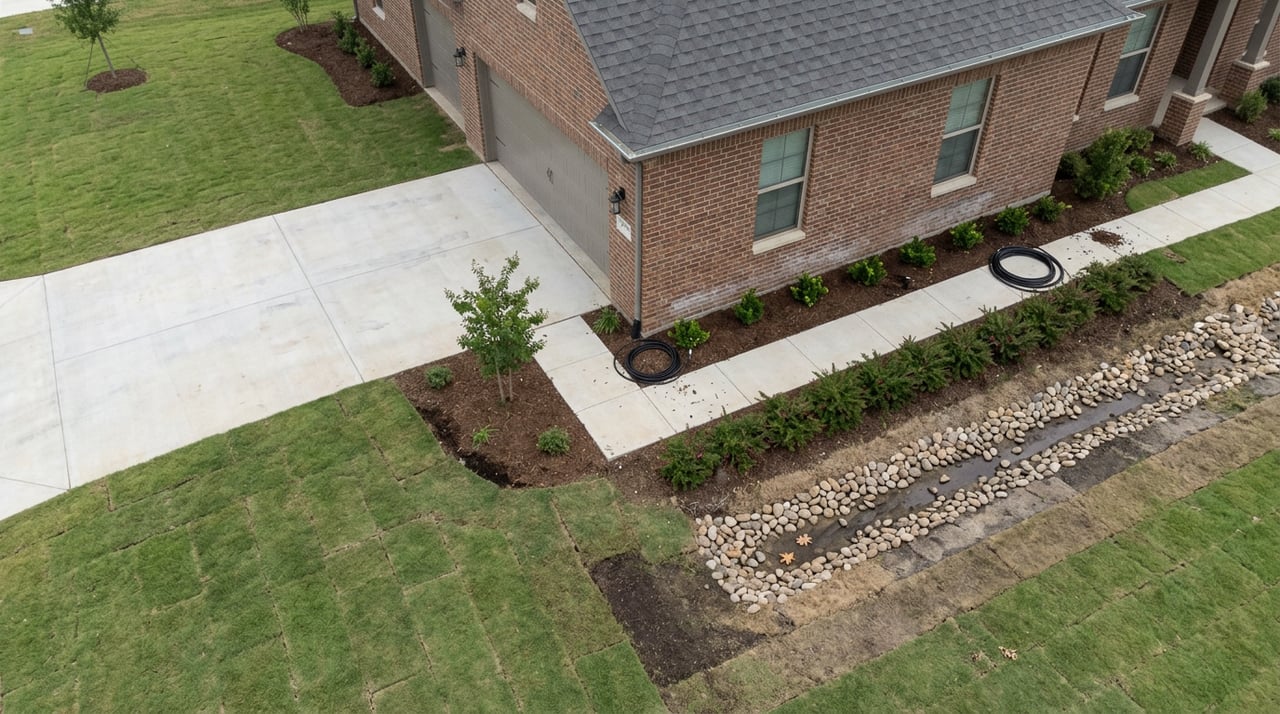
Loudon County administers stormwater and floodplain rules, and it states that runoff from construction sites, driveways, and similar surfaces is regulated to help protect local waterways. The county’s flood-damage-prevention rules are also designed to reduce flood losses and maintain eligibility under the National Flood Insurance Program.
If a parcel is low lying, lake-adjacent, or near a creek, screen for drainage and floodplain concerns early. The research report also notes that homes in a FEMA Special Flood Hazard Area are likely to require flood insurance, which can change your monthly housing costs.
Buying land is not just about finding enough acreage. You also need to know whether the parcel can legally and physically support the home you want to build.
Loudon County’s subdivision regulations say final plats must conform to zoning. The same regulations reference site plans that show building locations, lot lines, setbacks, utilities, parking, and common-use facilities.
This is why two lots with similar size can have very different building potential. One may fit your plan easily, while another may be limited by setbacks, easements, topography, utility placement, or subdivision requirements.
If you are buying a lot in a subdivision, do not stop at the marketing materials. It is important to verify whether roads and utilities are complete and who maintains them.
Loudon County’s subdivision regulations state that developers must install streets, alleys, curbs, monuments, sewers, stormwater inlets, and water mains before final approval. The research report also warns that unfinished roads, utilities, or amenities can affect value and future resale.
That means a lower-priced lot is not always the better deal. In many cases, completed infrastructure, legal access, and a cleaner path to building matter more than the initial purchase price.
Whether you are buying land or a newly built home, your budget should go beyond the list price. The research report notes that buyers should account for principal, interest, property taxes, homeowner’s insurance, utilities, maintenance, HOA fees if applicable, and closing costs.
If the property is in a flood hazard area, flood insurance may also be required. For land and build projects, you may also need to account for utility connections, site preparation, septic work, or additional engineering depending on the property.
If you are building from the ground up, financing may work differently as well. The research report notes that construction loans are generally short-term and are usually disbursed in stages as the project progresses.
It is easy to focus only on the home you want to build or the lot you hope to secure. But smart buyers also think about resale early in the process.
The research report points out that land value can be uncertain and that resale of a lot may be difficult in some situations. It also notes that title issues, restrictions, unfinished utilities, and access problems can all affect how usable or marketable the property is later.
A good rule of thumb is simple: a property that is easier to understand, easier to access, and easier to build on is often easier to resell. That does not guarantee future value, but it can help you avoid avoidable risk.
Builder and land transactions often look straightforward on the surface, but they can involve very different interests behind the scenes. The seller’s representative works for the seller, while a buyer’s representative works in the buyer’s best interest.
In new construction, your buyer’s representative can help you compare builders, review timelines, keep track of contract deadlines, and stay focused on your priorities. With land, that same guidance can help you ask better questions about utilities, title, access, restrictions, and long-term usability.
This is especially helpful in a market like Lenoir City and Loudon County, where one property may fall under city rules and the next under county rules. Organized guidance can make the process feel much more manageable.
Before you buy new construction or land in Lenoir City, make sure you have answers to these basics:
Clear answers to these questions can help you avoid surprises and make a more confident decision.
If you are weighing new construction or land in Lenoir City, having local guidance can make the process much easier to navigate. Jennifer Shuler can help you evaluate lots, compare options, and move forward with a clear plan that fits your goals.

Jennifer provides expert guidance backed by years of experience and a client-first approach. Her strong negotiation skills and attention to detail help ensure smooth and successful transactions. Contact Jennifer to get started today.

JENNIFER SHULER
10255 KINGSTON PIKE KNOXVILLE, TN 37922