The Village Green Discount: What Farragut's Median Price Hides
August 6, 2026
August 6, 2026
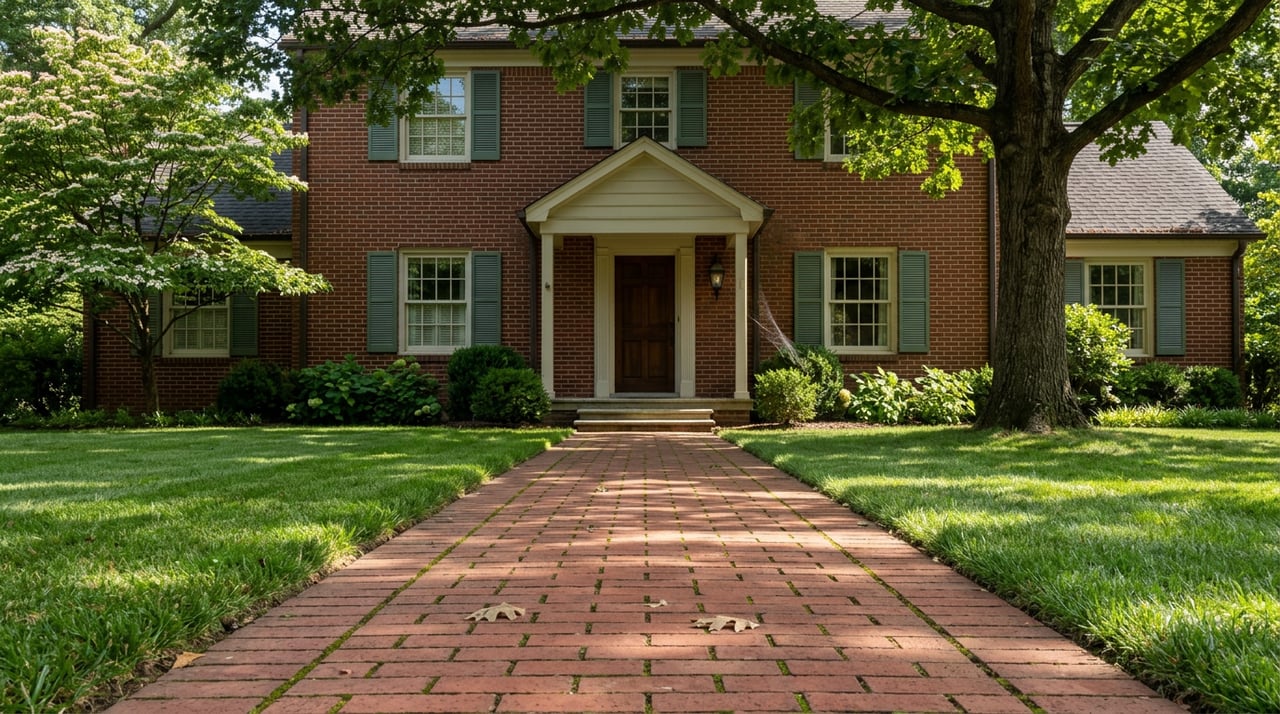
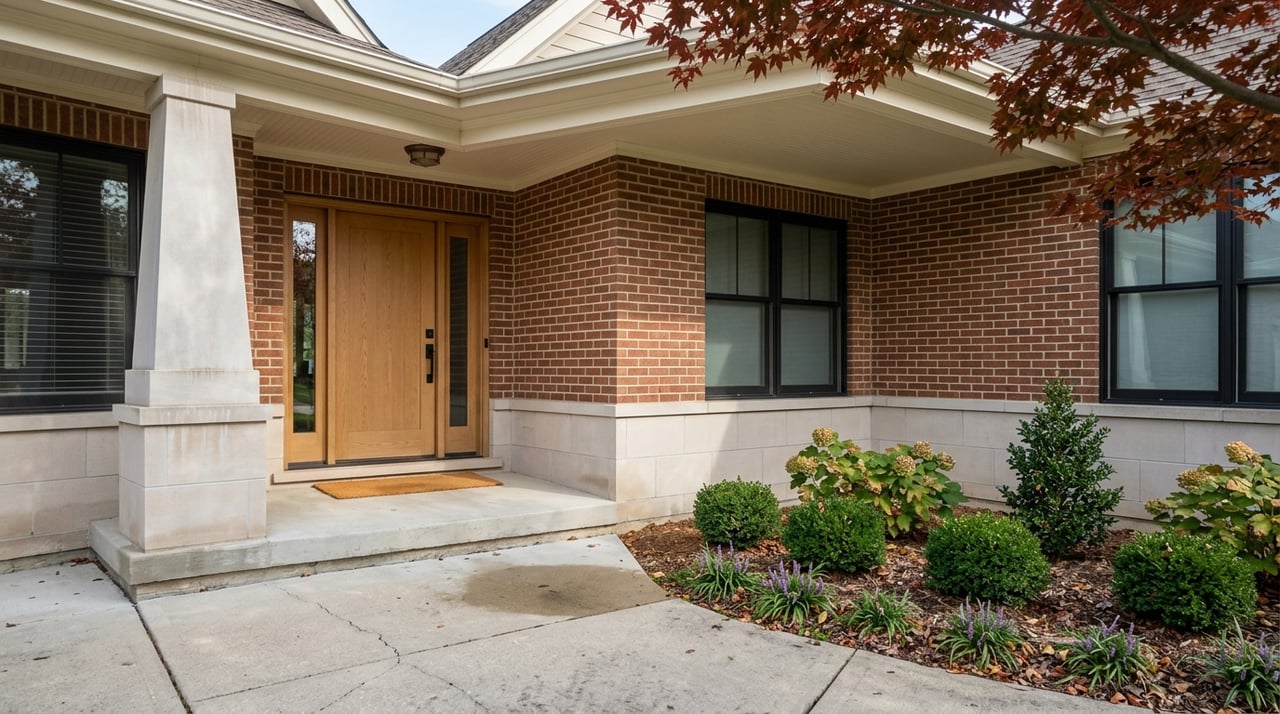
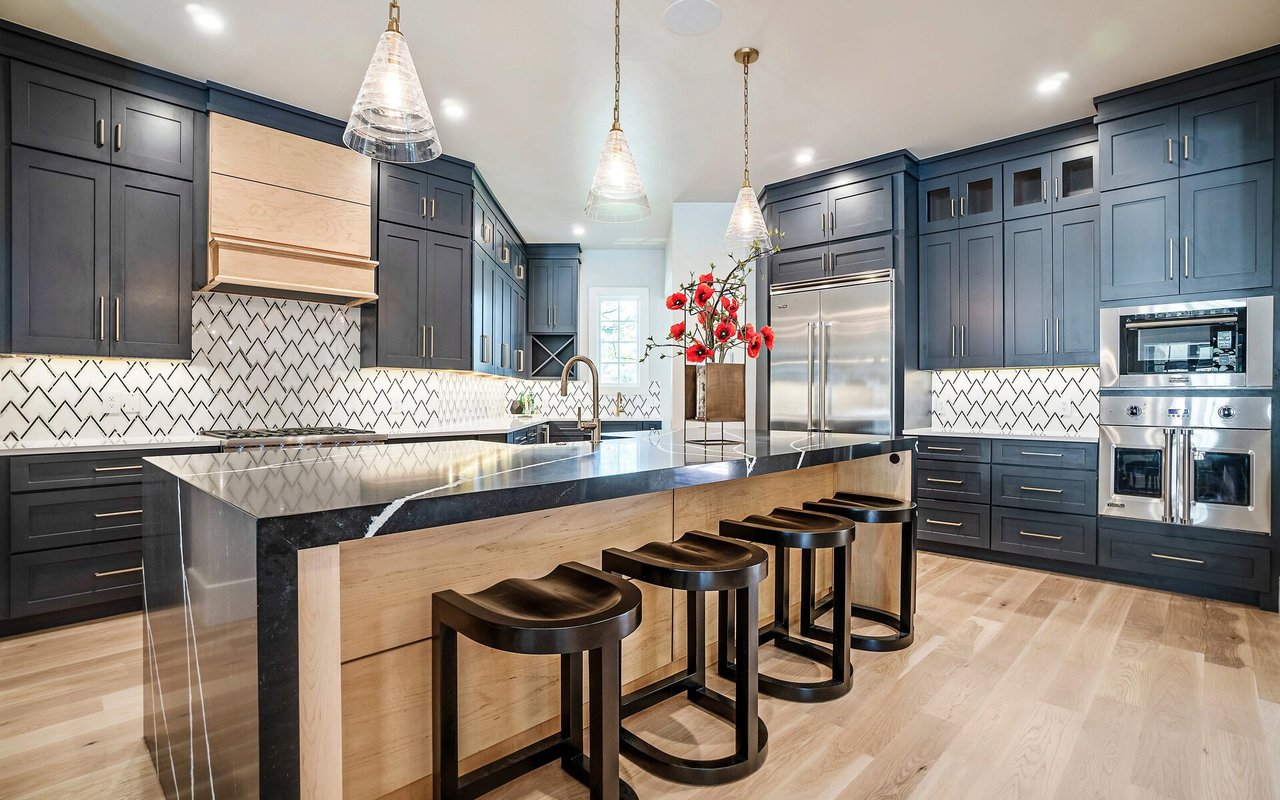
Two houses sit four doors apart on the same Village Green street. One sold last spring after a studs-out renovation with new mechanicals, a reworked kitchen, and refinished hardwoods. The other is priced $150,000 lower with its 1978 layout intact. Both are inside the same HOA, walking the same Dogwood Trail, sending kids to the same corner of Farragut. The Farragut median price tells you nothing about which one is the better buy.
The thesis in a sentence: Village Green trades below the Farragut median not because of location, but because of the age of its housing stock and the wide condition spread inside the subdivision. Read the spread, and the "discount" becomes a strategy.
The single biggest source of surprise in a Village Green transaction is condition dispersion. Most Farragut subdivisions built after 2005 offer a narrow band of finishes, mechanicals, and floor plans. Village Green does not. Homes went up mainly between 1970 and 1999, with a smaller tail of 2000s infill, and the interiors have taken very different paths since then.
Walk five listings in a weekend and you will see all of these in the same neighborhood:
The inspection story is different for each. So is the appraisal comp set. A buyer who anchors to a per-square-foot average across the subdivision will overpay for the first category and underpay the seller of the third. The neighborhood average is not a price. It is a midpoint between three separate products.
| Condition tier | What the price usually reflects | Where the risk sits |
|---|---|---|
| Original 1970s–80s interior | Land value plus the shell | Systems age, kitchen and bath scope, potential aluminum wiring or cast iron drains |
| Cosmetic refresh | Land, shell, and surface-level updates | HVAC and roof timelines, windows, hidden electrical |
| Studs-out renovation | New-build equivalent inside a mature lot | Permit history, workmanship consistency, whether structural moves were engineered |
This is the friction the portals cannot show you. It is also where a local read on comps earns its keep.
The headline numbers for Farragut in mid-2026 are elevated by newer construction and larger executive homes. Redfin put the Farragut median sale price near $787,000 for the three months ending May 2026, up roughly 14.9% year over year, with homes averaging about 66 days on market. Movoto's June 2026 read on Farragut showed a median close to $777,000. Zillow's home value index, which smooths across the whole ZIP, sat at $632,888 with a much shorter time to pending.
Those three numbers do not disagree. They measure different slices. What matters for a Village Green buyer is that none of them describe a Village Green home directly. VG's stock skews smaller and older than the newer Farragut subdivisions pulling the median up, which is why active and recent listings inside the neighborhood cluster below those headline figures. The gap is not a signal of weaker demand. It is an age-of-stock effect.
Two practical implications:
Village Green's amenity package is unusual for a Farragut subdivision at its price band. The HOA fee has been running around $295 per year and includes pool membership, which is the number that stops most buyers cold when they hear it out loud.
For that annual amount, residents get access to two swimming pools at the Clubhouse and Monticello locations, two sets of tennis courts with the Monticello pair lighted, basketball courts, sand volleyball, playgrounds, picnic areas, and a clubhouse. The pools opened for the 2026 season on May 15. The neighborhood runs the VG Gators swim team, and a new pickleball program is now underway on the existing courts. Recreational memberships for non-residents run $450 for the season and are capped, with the HOA announcing that new outside memberships will open again in 2027.
That amenity-per-dollar spread is the second half of the "Village Green discount" story. A buyer choosing between a newer Farragut build with a private lot and no shared amenities and an updated Village Green home with two pools and four tennis courts inside the gate is not comparing like for like. The recurring cost side of the ledger favors Village Green in a way the sticker price does not show.
The HOA operates through a PayHOA portal for dues and communication, and board meetings during clubhouse construction have been held at Farragut Presbyterian Church at 209 Jamestowne Boulevard. Ask for the most recent board minutes and reserve study during due diligence. In a subdivision with two pools, tennis courts, and a clubhouse, the reserve position is a real due diligence item, not a formality.
Two nearby infrastructure moves are worth pricing into a Village Green decision.
The Town of Farragut is designing a new traffic signal at Campbell Station Road and Jamestowne Boulevard. Cannon & Cannon is handling the design at a cost of $50,735, with final construction plans expected to be submitted by January 31, 2026. The signal is meant to make left turns from Jamestowne easier onto northbound Campbell Station Road and to add a signalized pedestrian crossing near the school entrance. That intersection is one of Village Green's two exits, and a signal changes both morning school-run behavior and pedestrian access to Farragut Primary.
Farther up Kingston Pike, the town approved an adaptive traffic signal pilot from SWARCO at a budget of $250,000, upgrading four signals between Campbell Station Road and West End Boulevard. Completion is scheduled for winter 2026. The state's redesign of the Campbell Station Road interchange at I-40/75 sits behind these, funded through a roughly $48 million appropriation and staged over a longer horizon.
None of this changes what a Village Green home is worth this quarter. It does change the story you tell about the neighborhood two and five years out, especially for buyers weighing commute friction against the walk-to-school pattern that defines VG for many families.
Pulling the threads together, the Village Green price gap versus the Farragut median is doing three separate jobs at once:
Buyers who understand those three inputs get to make a real choice. Do you want the newer build at a location premium and higher recurring costs, or the mature Village Green lot with a defined renovation path and community amenities baked into $295 a year? Both are defensible answers. The one that is not defensible is anchoring to the Farragut median and calling it a day.
Is the $295 HOA fee likely to stay that low? Assume nothing. Any HOA with two pools and multiple courts eventually faces capital expenditures. The fee history is favorable, and the amenity list is real, but a buyer should read the current reserve study and recent board minutes before treating the number as fixed.
Are 1960s and 1970s Village Green homes financeable on conventional terms? Usually yes, provided major systems are functional and the roof is not at end of life. Loan programs with tight condition standards, such as some renovation and first-time-buyer overlays, can flag older mechanicals or aluminum wiring. Line up your lender before you write on an original-condition home.
How does resale work for a fully renovated Village Green home when buyers can compare it to a new build? It works if the renovation is comprehensive and presented as such. Buyers who choose VG at the top of its price band are choosing location, lot maturity, sidewalks, and the amenity package. A tasteful, complete renovation reads as a premium product, not a compromise.
If you are weighing Village Green against a newer Farragut subdivision, or you already own here and want to understand where your home actually sits inside the three condition tiers, that is exactly the read Jennifer Shuler is set up to give you. Let's Connect.
Jennifer provides expert guidance backed by years of experience and a client-first approach. Her strong negotiation skills and attention to detail help ensure smooth and successful transactions. Contact Jennifer to get started today.
JENNIFER SHULER
10255 KINGSTON PIKE KNOXVILLE, TN 37922